
The most original engagement rings
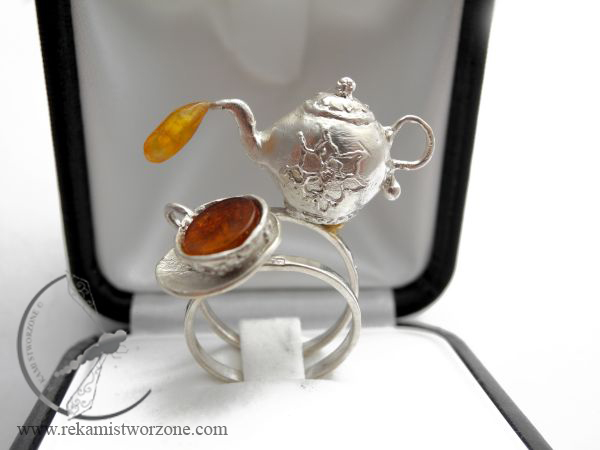
I don’t do standard things, classic engagement rings, wedding rings or jewelry in the classic sense of the word. For me, work makes sense when I can tell a story in it, when I can carve something with my hands, overcome a new limit of my skills. Because it is noticeable – in each work you can see whether it was done patiently, with care and passion.
It makes me all the more happy when clients looking for exceptional things come to me. This entry will be about engagement rings. Of course not about the ordinary, but about the ones that were most unusual in my creative career.
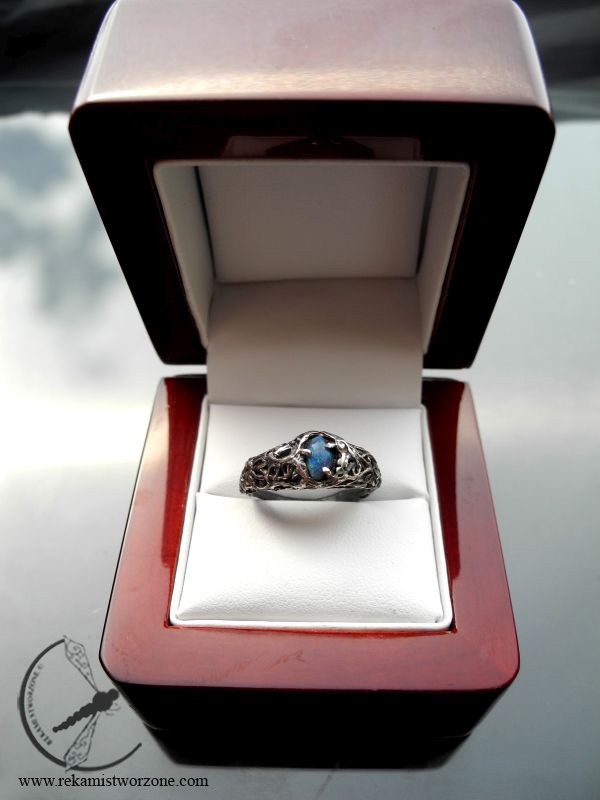
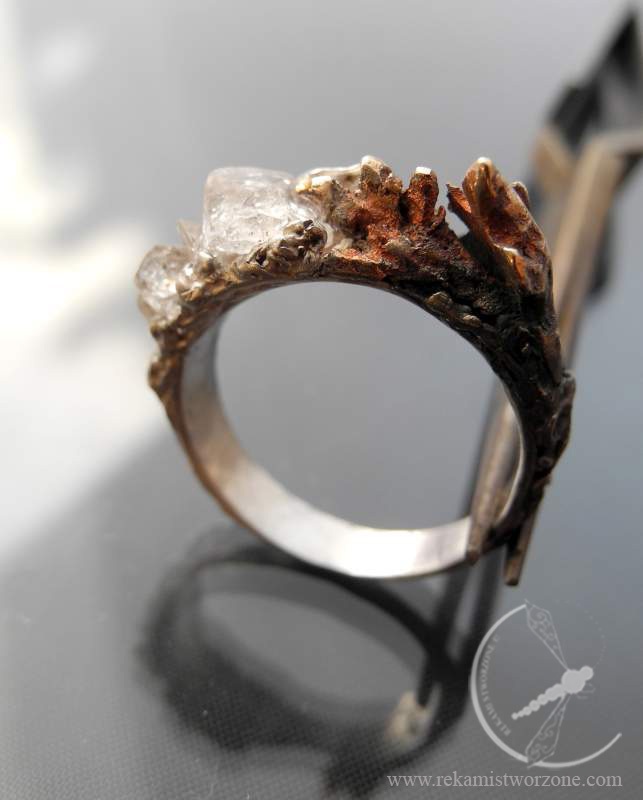
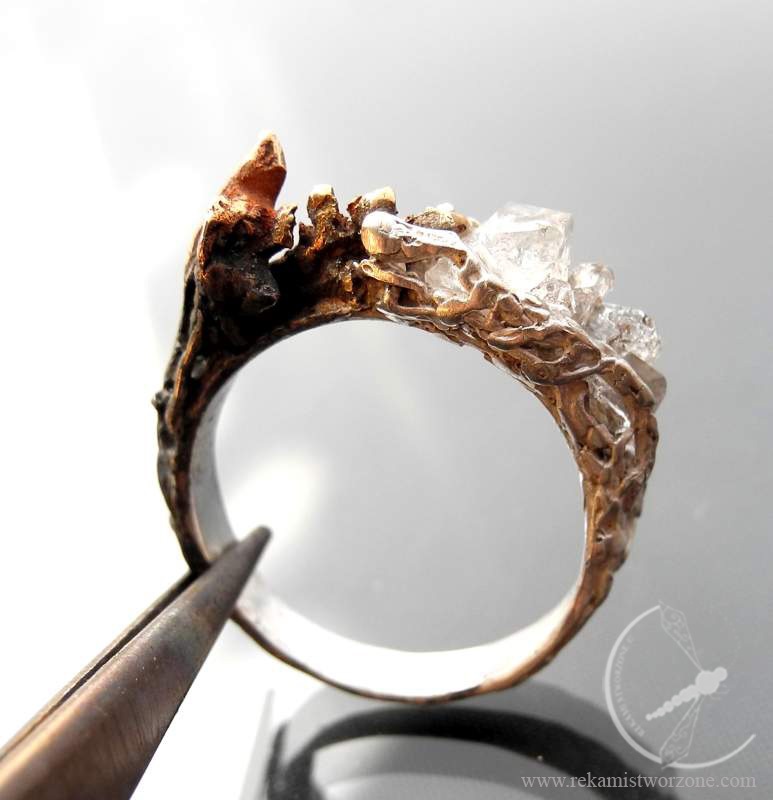
I will start with the style that meets the greatest sympathy among the recipients. The fact, that each work is created manually, from beginning to end, is rather obvious. Accordingly, each ring looks different, although is stylistically similar. The ring has a silver body, built with vines, has a partly open-work construction, with centrally embedded stone. Because I usually work for people looking for something other than a “diamond ring”, their choices are unusual: black raw diamond, gray raw diamond, raw emerald from Colombia, “Herkimer Diamond”. Obtaining such stones is a higher level of difficulty, because due to their low popularity, they are rarely available and I often have to ship them from afar. Sometimes I leave the silver colour white, sometimes it’s polished, sometimes black, sometimes tonally colored.


I have a great passion and weakness for opals. Opal is a stone with many faces. There is a legend that opal can be a philosopher’s stone, the one that has the magical power to change the structure of other objects. Because it can contain all the colors: blue, green, red, yellow is like a “child of the gods” with the collective power of each of the precious stones (sapphire, emerald, ruby, diamond, etc.) that has the potential to become whatever it wants. Excellent opal can far outweigh the price of a diamond, let alone other stones. My clients are also giving in to their charm. Opal colors come from the free particles of water that is trapped between the silica atoms. Light passing through layers of silicon oxide is reflected from water and creates a rainbow inside. The more lively, changeable the “flame” moving inside the stone, the more expensive opal. Precious opals used in jewelry are generally divided into black (the most expensive), dark / gray, boulders (with pieces of rock in between), crystal, white / light, doublets, triplets. I refer here to NSW Resources and Geoscience. I will try to put it in a very simplified way: the opals from Australia are usually blue with green flames (the presence of red and gold sparks makes them even more valuable), the opals from Ethiopia are most often transparent, pink-gold with green flames. Of course, there are a lot of exceptions to my coarse rule. For example, chocolate opal – from Ethiopia. It is pictured below – it is chocolate colored with red sparks.


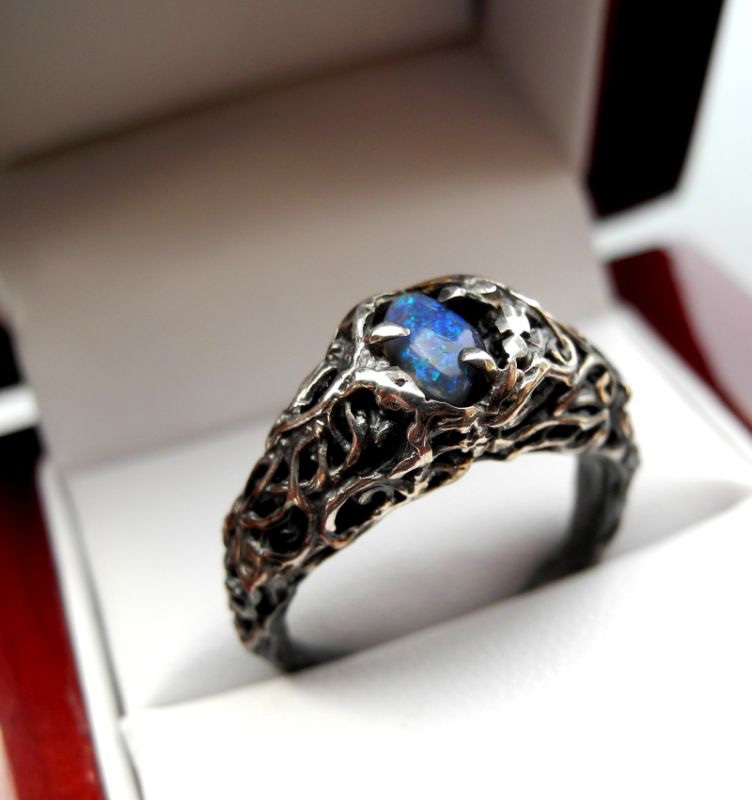
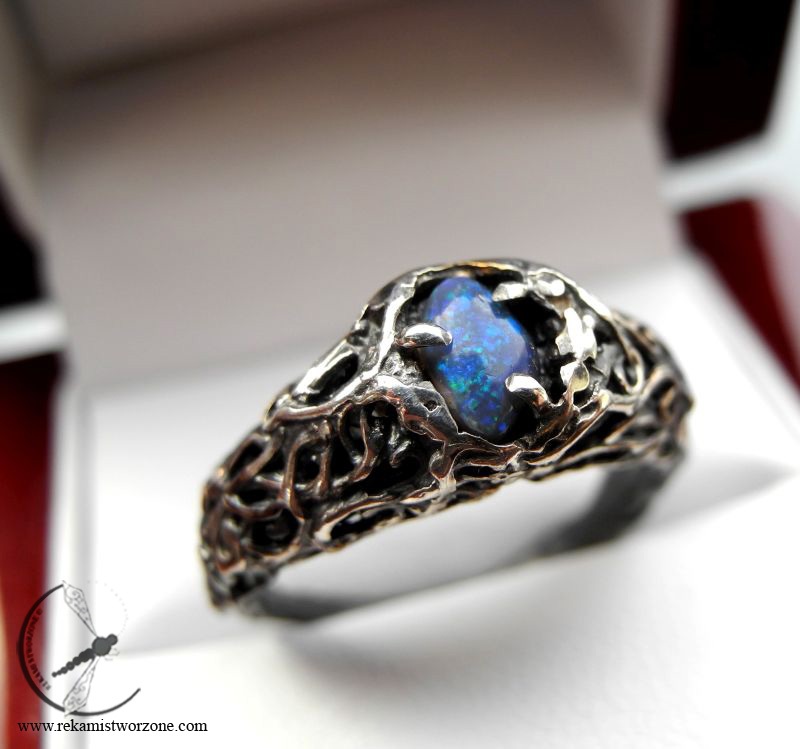


The ring, which I recently designed for a special order, is one of my favorites. It reflects the Sky Map.


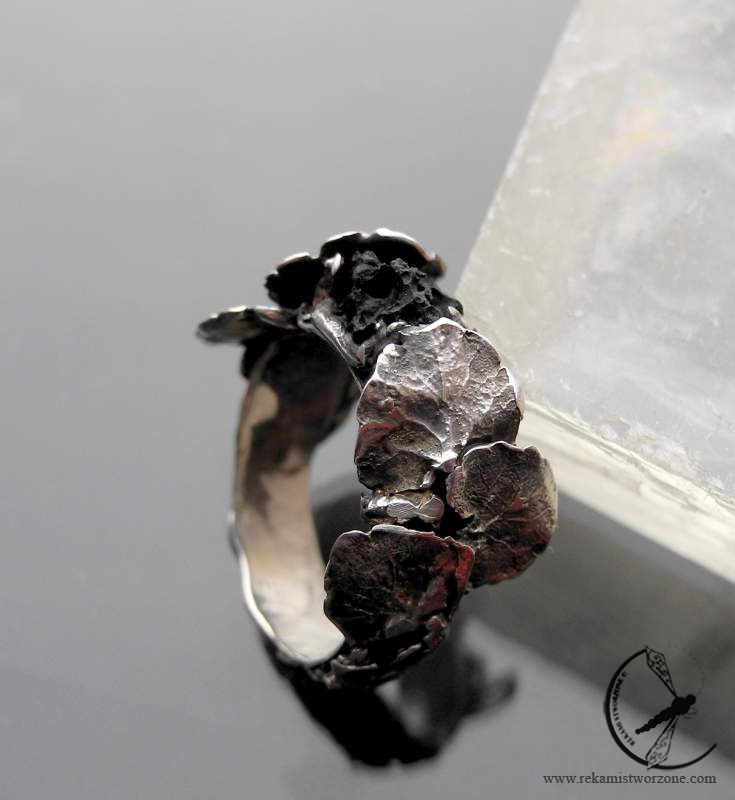
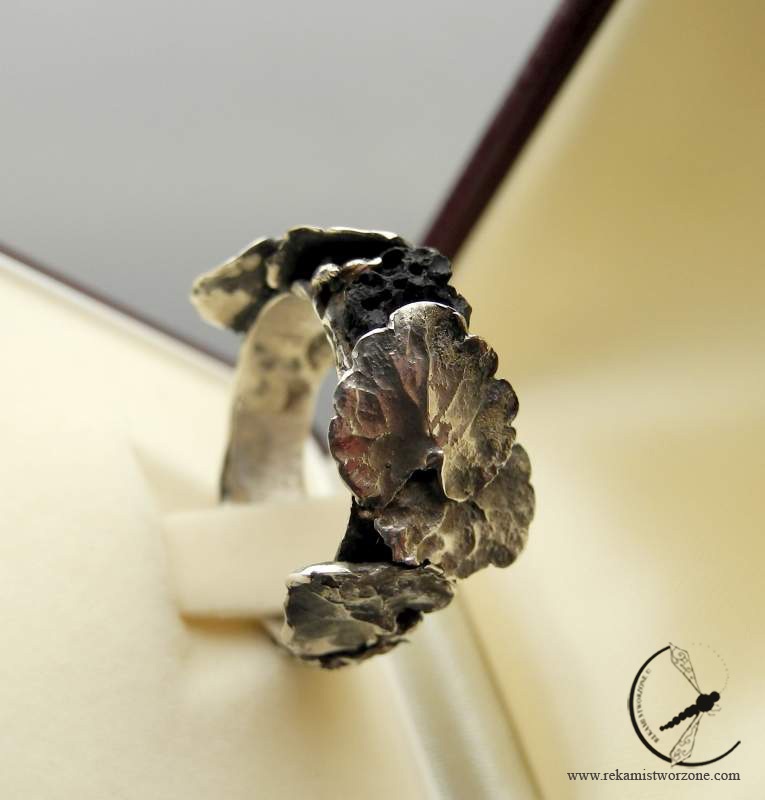
Engagement rings with meteorites usually attract people who value harsh beauty. The most fascinating thing about these rings is knowing what’s on your finger. For others it is a piece of ordinary rock, but for its owner / owner who knows the truth, it is a piece of “falling star” that traveled the universe, which touched reality almost unimaginable to us. And she brought this story with her. Meteorites, also due to the rarity of encounters, are divided into those quite often found (e.g. iron) and those more unique: e.g. ureility (which may contain nanodiamonds, although they are not always visually tempting) or meteorites with fragments of olivine crystals.


In case of engagement rings that are supposed to be something extremely individual, I often have to make a design concept first. Usually, such rings tell a story that only 2 people associated with it can understand. It’s a symbol of their relationship. This was the case, for example, with a lion engagement ring, or these two rings: with a rose in flames and a rose surrounded by thorns and a ruby in the middle.


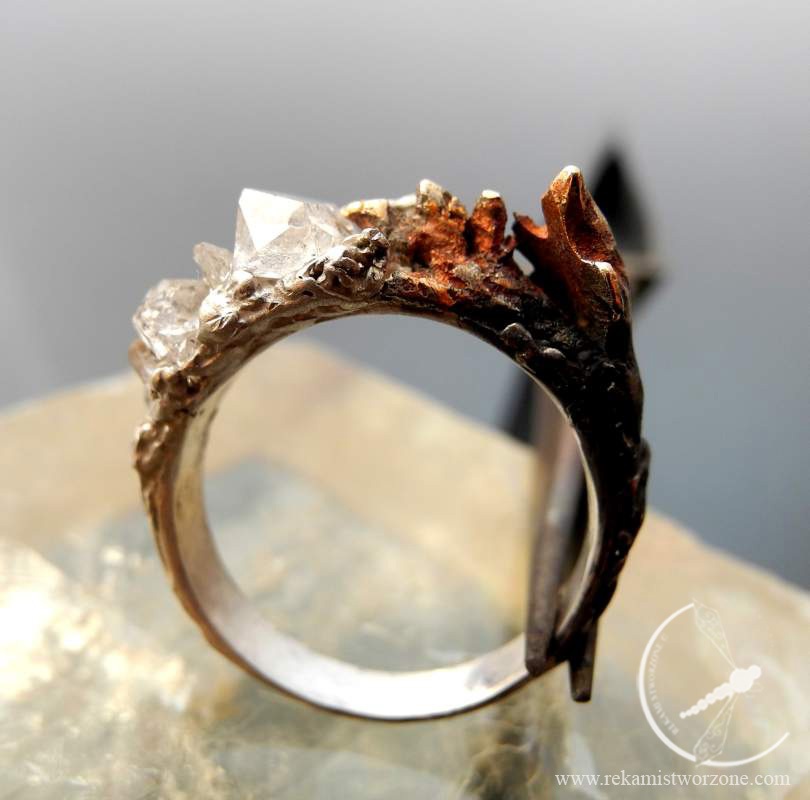
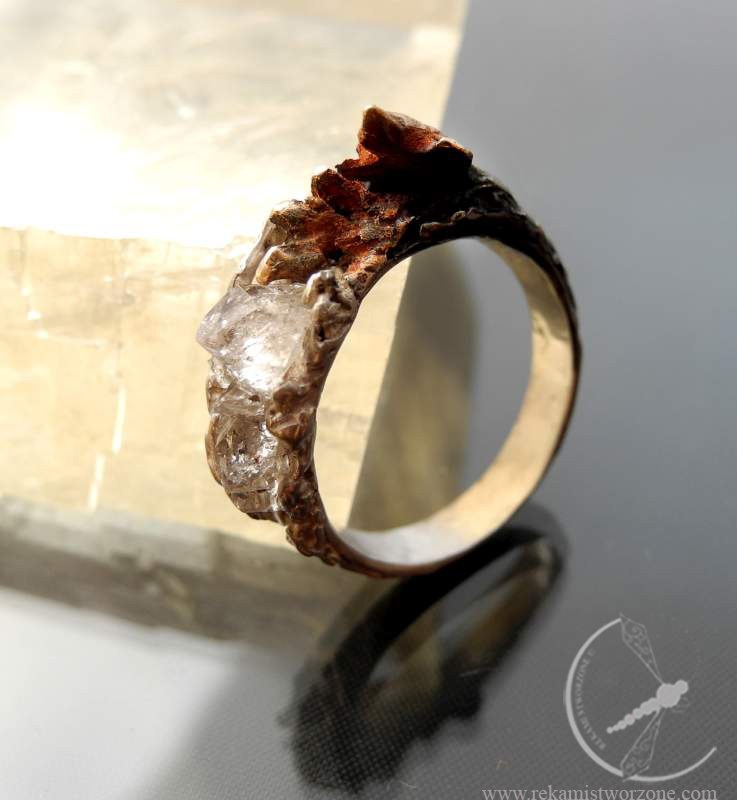
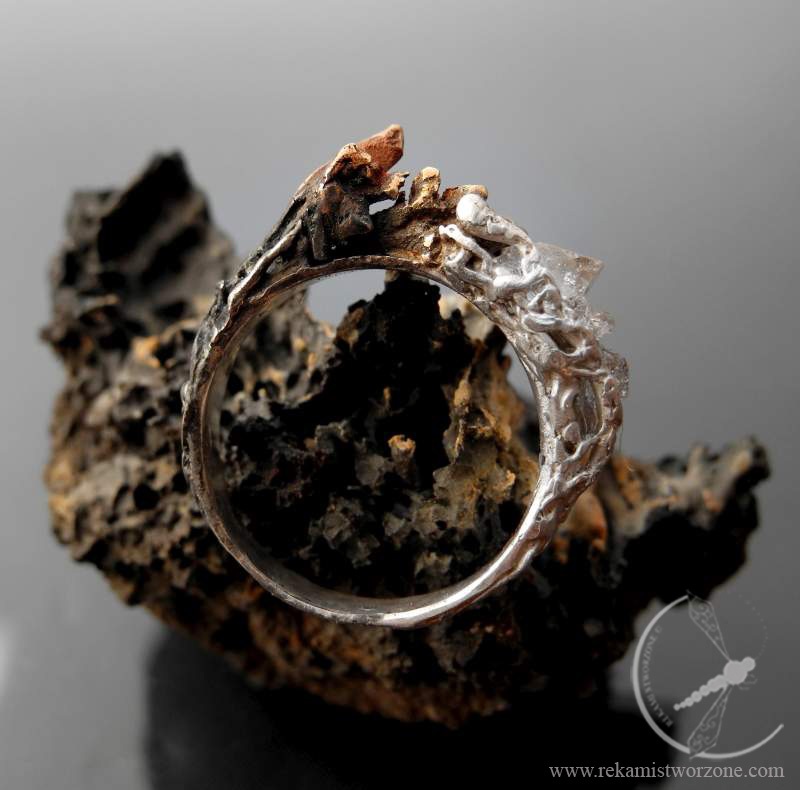









If you would like to see more rings made by me, please visit my portfolio.
If you are interested in buying some ready work directly, please visit the Store.